

In 2026, the global sports industry will usher in an unprecedented peak - the 2026 World Cup will be jointly held in the United States, Canada, and Mexico. This is not only the first time in the history of the World Cup that three countries have jointly hosted it, but it is also the first time that the tournament has been expanded to 48 teams.
On the surface, this is an upgrade of the football feast; but from an industry perspective, this is more like a comprehensive contest about "traffic, technology and monetization capabilities."
In the past we were NG official One judgment was repeatedly mentioned in many articles:Large-scale sports events are essentially a short-period but high-intensity traffic burst test.
In 2026, the difficulty of this test will be magnified several times.

1. 2026 World Cup: New opportunities brought by scale upgrading
The biggest change in this World Cup is the “capacity expansion”.
48 teams means:
- The number of games increased significantly
- The competition cycle is lengthened
- User active cycle extension
- Demand for content and interaction is growing exponentially
This is a very valuable traffic bonus period for the platform. But the problem is also very realistic: How to handle this wave of traffic? How to transform "short-term burst" into "long-term user value"?
This is where technical capabilities start to widen the gap.
2. From “watching football” to “participating”: changes in user behavior
existQatar World CupDuring this period, a very typical phenomenon is:
A large number of users use third-party platforms for data query, score prediction, and real-time interaction while watching the game.
This "second screen behavior" has become the norm, and by 2026, this trend will only become more obvious.
User needs mainly focus on:
- Live scores and data interface
- Pre-match analysis and probability model
- Interactive guessing and entertainment gameplay
- Multi-language, multi-currency and multi-regional content distribution
If the platform still relies on traditional content output, it will be difficult to form differentiated competition. On the contrary, if these capabilities can be quickly accessed through API, product upgrades can be completed in a short time.
3. API capabilities: the key to determining the upper limit of the platform
In the past process of serving our customers, a consensus gradually formed:
During the World Cup, the battle is not “whether there is traffic”, but “whether it can catch the traffic”.
Behind this, the essence is a problem of system capabilities.
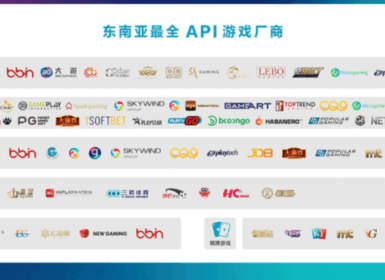
The core value of the API solution officially provided by NG lies in "fast access + stable bearer + flexible expansion". In high-concurrency scenarios like the World Cup, APIs are not just data interfaces, but also the infrastructure for the entire platform to operate.
Here are a few typical application scenarios:
- Real-time event data API: Millisecond-level updates, supporting high concurrent requests
- Odds and data model interface: Help the platform build prediction and analysis capabilities
- User behavior data interface: Used for personalized recommendations and retention optimization
- Multi-terminal access capability: Seamless integration of WEB, APP, H5, and mini programs
Compared with developing from scratch, this modular capability can compress the launch cycle from "months" to "weeks", which is particularly critical in time-critical projects such as the World Cup.
4. Package network products: the fastest path from 0 to 1
If API solves the "capability problem", then Baowang products solve the "efficiency problem".
For many teams who want to seize the World Cup dividends, the biggest difficulty is not the idea, but the cost of implementation:
- Insufficient technical team
- Development cycle is too long
- Complex operation and maintenance and risk control
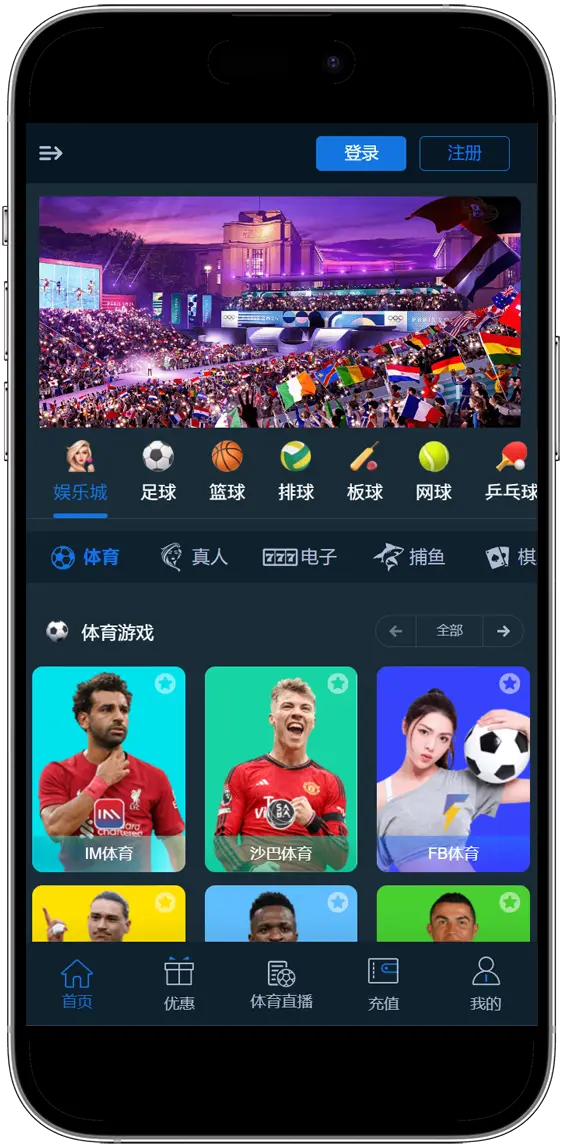
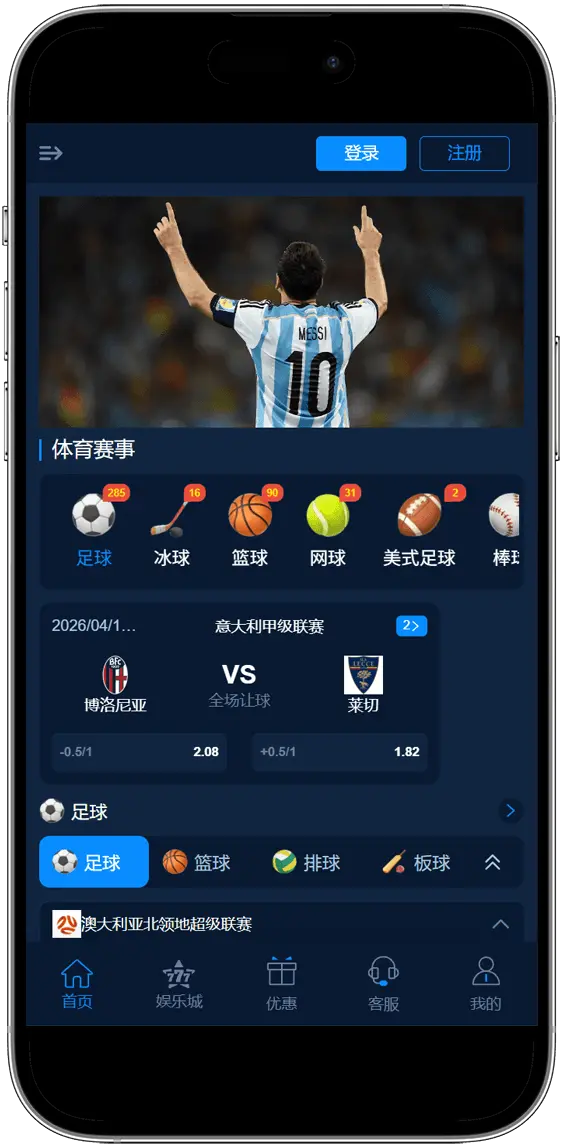
NG's official package network solution is essentially a modular package of a complete set of mature systems, allowing customers to directly enter the operation stage instead of starting with technology.
In previous project experience, we have seen a very typical result:
usePackage network planCustomers can often complete the launch before the World Cup and complete the first round of user accumulation during the event; while many teams of self-developed systems are still in the development stage.
This is the actual income gap caused by the time difference.
5. 2026: Not only the World Cup, but also a watershed for the industry
From a broader perspective, the 2026 World Cup may prove to be a watershed moment:
- Technology-driven platforms will further expand their advantages
- Single content platforms will gradually be marginalized
- Data and interactive capabilities become standard features rather than bonus points
In other words, the future competition will no longer be about who has the content, but who has the system.
This is why we at NG officially continue to emphasize API and packet network - they are not a single product, but a set of future-oriented solutions.
6. Conclusion
The World Cup is never just a 90-minute game, it is more like a traffic war that lasts for months. The scale upgrade in 2026 will make this "war" more intense.
For teams preparing to enter the game, now is the critical window period:
- Complete technical layout in advance
- Choose a mature and stable solution
- Complete product launch before the event
When the game whistle blows, the real competition is actually half over.
The rest depends on who prepares earlier and more steadily.
And this is exactly what NG officials have been helping customers accomplish.